Crypto billionaire Brian Armstrong is ready to invest in CRISPR baby tech
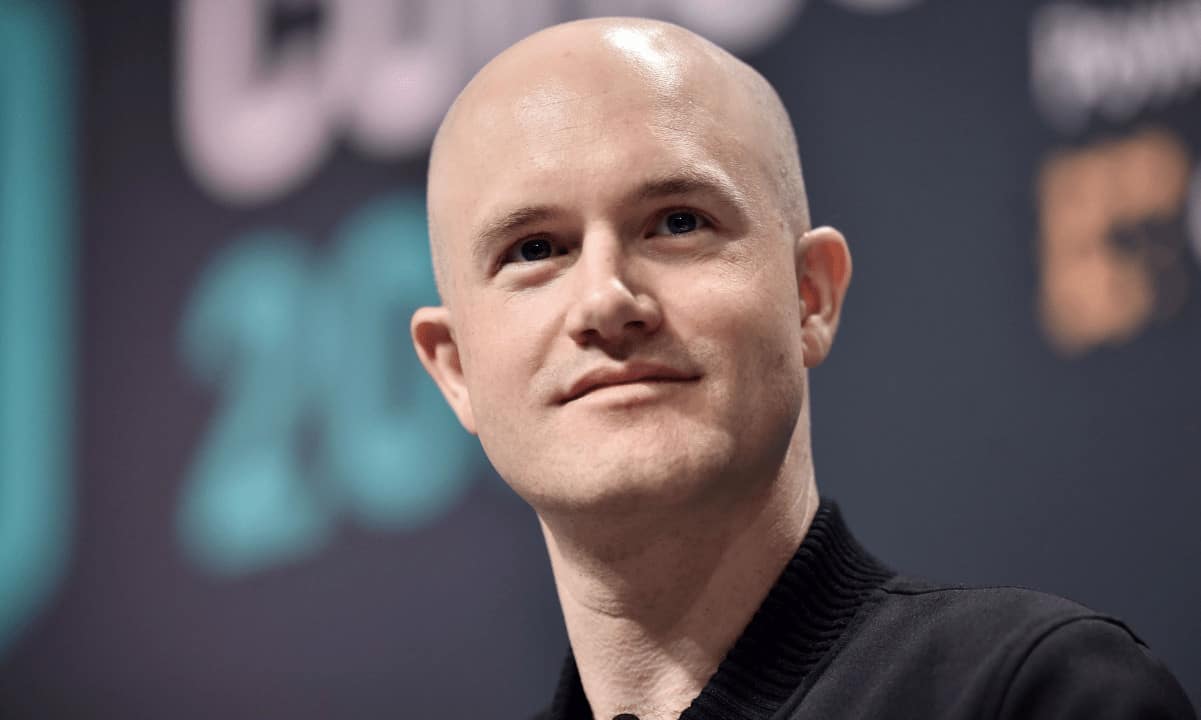
Brian Armstrong, the billionaire CEO of the cryptocurrency exchange Coinbase, says he’s ready to fund a US startup focused on gene-editing human embryos. If he goes forward, it would be the first major commercial investment in one of medicine’s most fraught ideas.
In a post on X June 2, Armstrong announced he was looking for gene-editing scientists and bioinformatics specialists to form a founding team for an “embryo editing” effort targeting an unmet medical need, such as a genetic disease.
https://buy.tinypass.com/checkout/template/cacheableShow?aid=WUOCNSUgpu&templateId=OTCBIZBLG8WE&templateVariantId=OTVZXECIBZ3EA&offerId=fakeOfferId&experienceId=EX1WVIM3YDOB&iframeId=offer_4631bea0d4cafebdedff-0&displayMode=inline&pianoIdUrl=https%3A%2F%2Fauth.technologyreview.com%2Fid%2F&widget=template&url=https%3A%2F%2Fwww.technologyreview.com%2F2025%2F06%2F05%2F1117928%2Fthe-download-funding-a-crispr-embryo-startup-and-bad-news-for-clean-cement%2F
The announcement from a deep-pocketed backer is a striking shift for a field considered taboo following the 2018 birth of the world’s first genetically edited children in China—a secretive experiment that led to international outrage and prison time for the lead scientist. Read the full story.
—Antonio Regalado
Over $1 billion in federal funding got slashed for this polluting industry
The clean cement industry might be facing the end of the road, before it ever really got rolling.
Last week, the US Department of Energy announced that it was canceling $3.7 billion in funding for 24 projects related to energy and industry. That included nearly $1.3 billion for cement-related projects.
Cement is a massive climate problem, accounting for roughly 7% of global greenhouse-gas emissions. What’s more, it’s a difficult industry to clean up, with huge traditional players and expensive equipment and infrastructure to replace. This funding was supposed to help address those difficulties, by supporting projects on the cusp of commercialization. Now companies will need to fill in the gap left by these cancellations, and it’s a big one. Read the full story.
—Casey Crownhart
This article is from The Spark, MIT Technology Review’s weekly climate newsletter. To receive it in your inbox every Wednesday, sign up here.
MIT Technology Review Narrated: How DeepSeek became a fortune teller for China’s youth
AI-powered BaZi analysis has become the new oracle for a disillusioned generation seeking answers.